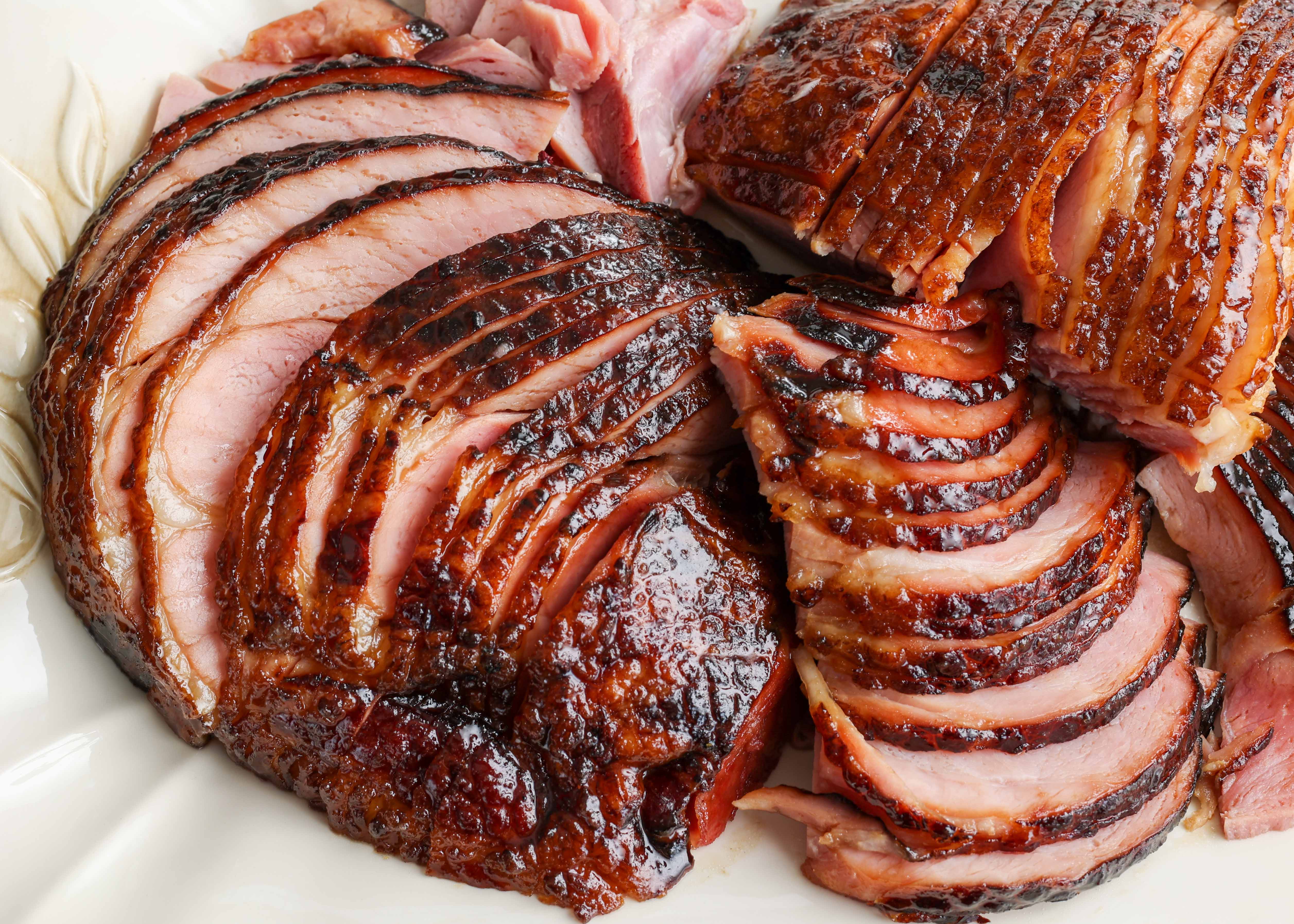
Sweet & Tangy Balsamic Dijon Glazed Ham Perfection: Your Ultimate Guide
Imagine a holiday centerpiece that effortlessly marries the rich, smoky essence of a perfectly cooked ham with a glaze so tantalizingly balanced between sweet and tangy, it leaves everyone asking for the recipe. This isn't just a culinary fantasy; it's the reality of a *balsamic and dijon glazed ham*. Forget the intimidation often associated with such a showstopper; this dish is surprisingly approachable, promising gourmet results with minimal fuss. It’s a true celebration of flavor, designed to impress without demanding hours of your precious time in the kitchen.
Why Balsamic Dijon Glazed Ham is a Holiday Game-Changer
A beautifully glazed ham serves as the quintessential centerpiece for any festive gathering. While options abound, the *balsamic and dijon glazed ham* stands out for its unique flavor profile and stunning visual appeal. This isn't just another ham; it's an experience. The marriage of deep, complex balsamic vinegar with the sharp, zesty kick of Dijon mustard creates a glaze that cuts through the richness of the ham, adding layers of sweet, tangy, and slightly savory notes that are utterly irresistible.
The appeal extends far beyond taste alone. For hosts, particularly during busy holidays like Easter, Thanksgiving, or Christmas, the prospect of preparing an impressive meal can be daunting. This particular ham recipe offers a brilliant solution. It presents as if you've slaved for hours, yet the actual preparation is surprisingly straightforward. This makes it an ideal choice for those who desire to create a memorable holiday meal without the stress.
Moreover, a generous bone-in ham is often large enough to feed a significant crowd, ensuring not only a spectacular main course for your holiday dinner but also providing delicious leftovers for the week after. From hearty sandwiches to comforting soups, the versatility of leftover ham is a gift in itself. Indeed, hosting an effortless Holiday Ham Party becomes a reality when you choose a perfectly prepared
Mastering Balsamic Dijon Ham for Easy Holiday Meals.
The Magic Behind the Glaze: A Symphony of Flavors
At the heart of this extraordinary dish lies its signature glaze. The combination of dark brown sugar, balsamic vinegar, and Dijon mustard might seem simple, but their synergy creates a complex flavor profile that elevates the humble ham to gourmet status.
*
Dark Brown Sugar: This isn't just about sweetness. Dark brown sugar brings a deeper molasses note compared to its light counterpart, adding caramel undertones that perfectly complement the smoky ham. When heated, it caramelizes beautifully, forming that desirable sticky, glistening crust on the ham.
*
Balsamic Vinegar: The star of the show. Good quality balsamic vinegar introduces a rich, fruity acidity with a subtle sweetness and a hint of fig or plum. It cuts through the richness of the ham and the sweetness of the sugar, providing that crucial tangy balance. For an even more profound depth of flavor, consider using an aged balsamic – its increased viscosity and concentrated sweetness can make a noticeable difference, though standard balsamic works wonderfully too.
*
Dijon Mustard: Providing the necessary piquant kick. Dijon mustard adds a sharp, savory, and slightly spicy edge that prevents the glaze from being overly sweet. It also acts as an emulsifier, helping to bind the glaze ingredients together and allowing them to adhere better to the ham. Whether you opt for a smooth Dijon or a whole-grain variety, its distinctive tang is indispensable to the *balsamic and dijon glazed ham* experience.
Together, these ingredients create a thick, glossy glaze that not only tastes incredible but also transforms the ham into a visually stunning masterpiece. The caramelization process during baking is key, creating a crispy, flavorful crust that locks in moisture and infuses every bite with that irresistible sweet and tangy goodness.
Mastering the Art: A Step-by-Step Guide to Perfection
Achieving a perfectly glazed ham is simpler than you might think, especially with a clear understanding of each step. Here's how to create your own *balsamic and dijon glazed ham* masterpiece:
Selecting Your Ham
Start with a high-quality, pre-cooked ham. A bone-in or semi-boneless hickory smoked ham, typically weighing around 8-10 pounds, is an excellent choice. The bone-in variety often offers richer flavor and moisture. Ensure it's fully thawed if frozen.
Prepping the Ham for Roasting
1.
Bring to Room Temperature: Remove your ham from the refrigerator at least 1 hour before cooking. This helps it cook more evenly.
2.
Seasoning: Unwrap the ham and pat it thoroughly dry with paper towels. This is crucial for achieving a crispy exterior. Generously season the entire surface with freshly ground salt and pepper. While the glaze provides most of the flavor, a good foundational seasoning enhances the ham's natural taste.
3.
Scoring the Ham: Place the ham, fat-side up, on a large cutting board. Using a sharp knife, score the fat layer in a diamond pattern, making cuts about 1/2-inch deep. This serves multiple purposes: it allows the glaze to penetrate deeper into the ham, helps render the fat for a more succulent result, and creates a beautiful presentation.
Crafting the Irresistible Glaze
In a small bowl, combine 3/4 cup dark brown sugar, 3 1/2 tablespoons balsamic vinegar, and 2 tablespoons Dijon mustard. Whisk vigorously until the mixture is smooth and well combined. Taste and adjust if desired – for more tang, add a touch more Dijon or balsamic; for extra sweetness, a little more brown sugar.
The Roasting Process
1.
Preheat Oven: Preheat your oven to 325°F (160°C). This lower temperature ensures the ham cooks gently without drying out.
2.
Setup for Roasting: Place the ham, fat-side up, on a roasting rack set within a sturdy roasting pan. The rack ensures even heat circulation around the ham and prevents the bottom from getting soggy.
3.
Initial Bake: Cook the uncovered ham in the preheated oven for approximately 12-15 minutes per pound, or until the internal temperature reaches 125°F (52°C) when measured with a meat thermometer inserted into the thickest part of the ham, avoiding the bone.
4.
First Glazing: About halfway through the baking period, carefully remove the ham from the oven. Using a pastry brush, generously brush about half of your prepared balsamic Dijon glaze all over the ham, ensuring it seeps into the scored diamond cuts.
5.
Second Glazing: Return the ham to the oven and continue cooking. After another 45 minutes, remove it again and apply the remaining glaze. This two-stage glazing process allows the first layer to caramelize without burning, while the second layer builds up that luscious, sticky crust.
6.
Final Temperature: Continue cooking until the internal temperature reaches 135-140°F (57-60°C). Remember, most hams are pre-cooked, so you're primarily reheating and glazing. For a truly
Effortless Holiday Ham: Balsamic Dijon Glaze Recipe, perfect timing is key.
Resting and Serving
Once the ham reaches the desired temperature, remove it from the oven and tent it loosely with foil. Let it rest for at least 15-20 minutes before slicing. This crucial resting period allows the juices to redistribute throughout the ham, resulting in a more tender and moist finished product. Then, carve against the grain into desired slices and serve your magnificent *balsamic and dijon glazed ham*.
Beyond the Basics: Pro Tips for an Unforgettable Ham
To truly elevate your *balsamic and dijon glazed ham* experience, consider these insights and practical tips:
*
Don't Rush the Rest: As mentioned, resting is non-negotiable. While it's tempting to dive right in, patience yields a juicier ham.
*
Basting for Extra Flavor: While the two-stage glazing is effective, you can baste the ham with pan drippings during the cooking process to further enhance moisture and flavor, especially after the first glaze application.
*
Carving with Confidence: For a bone-in ham, locate the bone and carve around it, then slice the meat into uniform portions. A sharp carving knife is your best friend here.
*
Leftover Love: Don't let a single morsel go to waste! Leftover *balsamic and dijon glazed ham* is fantastic in sandwiches, quiches, omelets, stir-fries, or diced into hearty pea and ham soup. The unique glaze adds a special twist to any next-day meal.
*
Pairing Perfection: This ham pairs beautifully with a range of side dishes. Think creamy mashed potatoes, roasted asparagus or Brussels sprouts, a fresh green salad with a light vinaigrette, or classic scalloped potatoes. The sweet and tangy notes of the ham complement both rich and fresh accompaniments.
*
Decorative Touches: For an even more festive presentation, consider garnishing your finished ham platter with fresh herbs like rosemary or thyme, or even a few orange slices.
Conclusion
The *balsamic and dijon glazed ham* is more than just a meal; it's a culinary triumph that combines ease of preparation with unparalleled flavor. Its perfect balance of sweet and tangy notes, coupled with the rich smokiness of the ham, makes it an unforgettable centerpiece for any holiday table or special occasion. With our detailed guide and pro tips, you're now equipped to create a moist, flavorful, and beautifully caramelized ham that will undoubtedly impress every guest. So go ahead, embrace the simplicity and deliciousness, and prepare for rave reviews!